Common Artificial Turf Problems In Residential Yards
To address common artificial turf problems in residential yards, local contractors can repair issues like tears, uneven surfaces, and loose seams to restore a safe, attractive lawn.
Homeowners with artificial turf in residential yards often encounter common problems that can affect the appearance and functionality of their outdoor space. Issues such as uneven surfaces, weed intrusion, or turf that shows signs of wear and tear are typical concerns for property owners looking to maintain a pristine yard. Exploring these challenges helps property owners understand the importance of timely repairs and maintenance, ensuring their artificial turf remains attractive and safe for everyday use.
Fortunately, local contractors who specialize in artificial turf repair are equipped to address these common problems efficiently. Whether it’s fixing uneven patches, restoring damaged sections, or addressing drainage issues, these service providers can help keep artificial turf in top condition. Continuing to read can provide valuable insights into how professional repair services can extend the life of a yard’s synthetic grass, helping property owners preserve their outdoor space with confidence.
- Artificial turf repair services are needed when uneven surfaces develop due to ground shifting or poor installation, and local contractors can level and secure the turf properly.
- Repairs for tears or rips in artificial turf are common when pets or heavy foot traffic cause damage, with local service providers patching or replacing affected sections.
- When artificial turf shows signs of fading or discoloration, local pros can restore its appearance through cleaning, dyeing, or turf replacement techniques.
- In cases of drainage issues leading to pooling or sogginess, local contractors assess the problem and implement solutions like improved grading or installing new drainage systems.
- For artificial turf with infill displacement or compaction, local service providers can redistribute or replace infill to ensure a natural look and proper support.
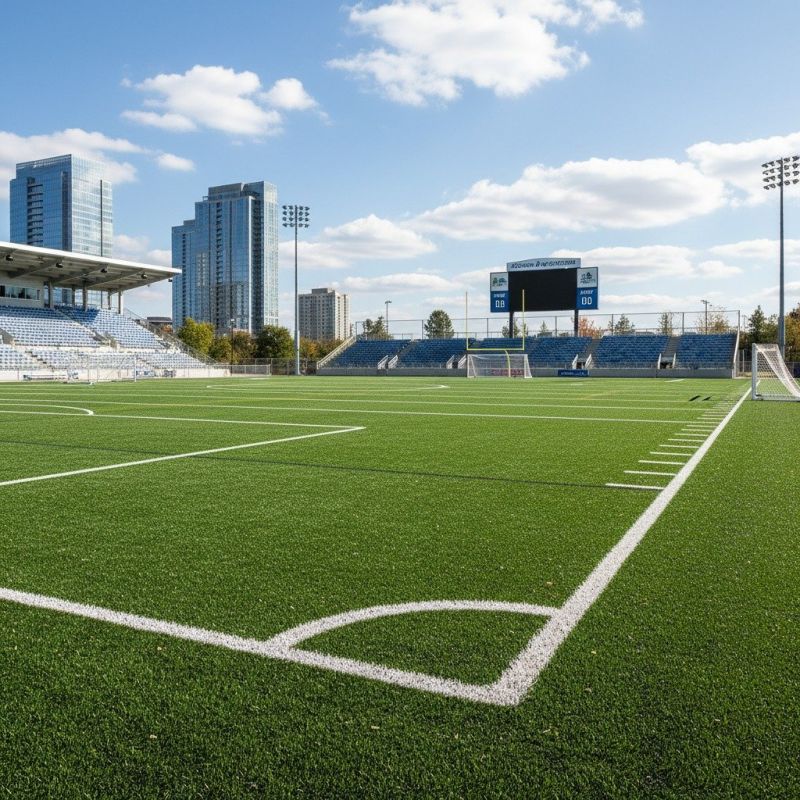
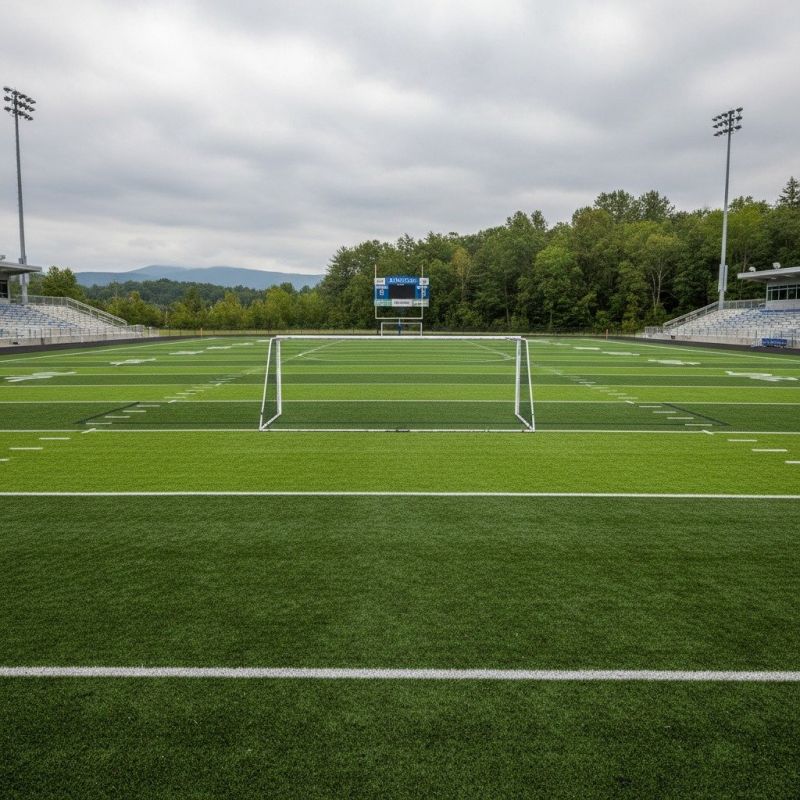
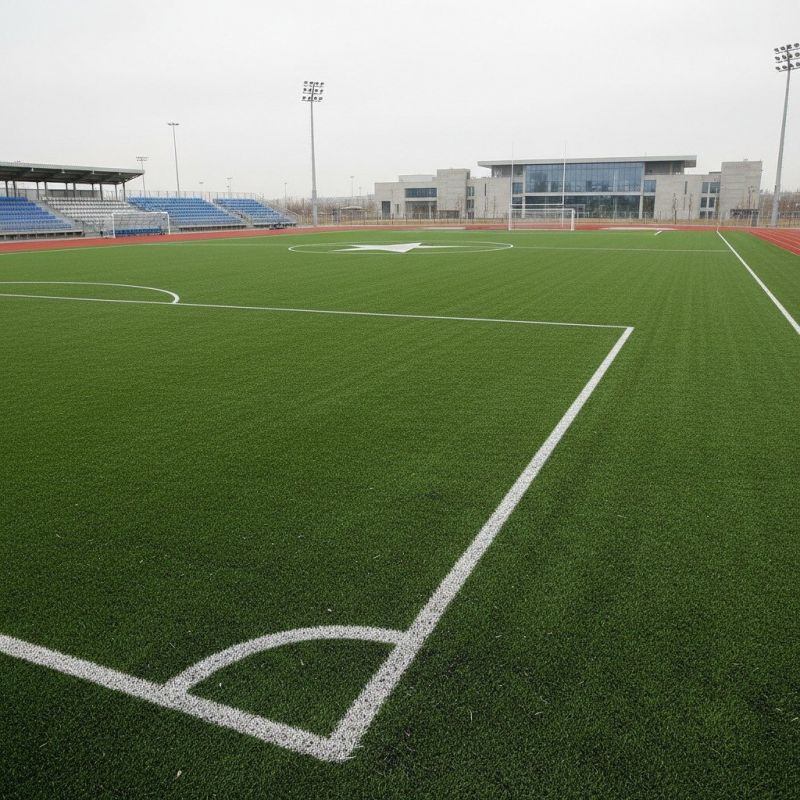
Artificial turf has become a popular choice for residential yards due to its low maintenance and consistent appearance. However, homeowners often encounter common artificial turf problems that can affect the look, safety, and functionality of their outdoor spaces. These issues typically arise from improper installation, aging materials, or environmental factors. When searching for solutions, many people are interested in understanding what problems might develop over time and how they can be addressed to restore their yard’s appeal and usability.
One of the most frequent concerns related to artificial turf in residential settings is uneven surfaces or settling. Over time, the turf may develop dips, wrinkles, or loose areas that can create tripping hazards or detract from its visual appeal. Additionally, problems like weed growth at the edges or underneath the turf can occur if the installation wasn’t properly sealed or maintained. These issues often lead homeowners to seek repair services that can re-level or re-secure the turf, ensuring it remains safe and attractive for everyday use.
Another common problem involves drainage issues, which can cause water pooling or muddy patches after heavy rain. Poor drainage can stem from improper base preparation or compacted soil beneath the turf, leading to a soggy yard that discourages outdoor activities. Discoloration or fading of the turf’s fibers is also a typical concern, especially in yards exposed to harsh sunlight or weather conditions. These aesthetic and functional problems often prompt homeowners to consult local contractors who specialize in turf repair and replacement, helping to improve the longevity and appearance of their outdoor space.
In residential properties, artificial turf problems are frequently associated with the specific characteristics of the yard, such as size, layout, and usage. Smaller yards or those with irregular shapes may experience more noticeable issues like edge lifting or inadequate drainage. Properties with high foot traffic or pet activity can also accelerate wear and tear, leading to bald spots or frayed fibers. Understanding these common issues and how they relate to different property types helps homeowners connect with experienced service providers who can assess, repair, or replace their artificial turf to meet their specific needs.
Landscape Design Projects - These projects involve planning and installing various yard features that complement artificial turf, requiring similar skills in site preparation and material selection as turf repair services.
Drainage System Installations - Proper drainage is essential for maintaining artificial turf, and local contractors specializing in drainage can address issues related to water pooling and soil erosion.
Soil Preparation and Grading - Preparing the ground for artificial turf involves leveling and soil management, skills that are also used in creating stable bases for turf repair and replacement.
Synthetic Lawn Installations - Installing new synthetic lawns shares techniques with repairing existing turf, including surface leveling and seam joining, handled by local service providers.
Hardscaping Projects - Features like patios and walkways require precise planning and excavation, skills that overlap with turf repair work involving ground modification.
Irrigation System Upgrades - Upgrading or repairing irrigation helps prevent common artificial turf problems caused by improper watering, and local contractors can assist with system adjustments.
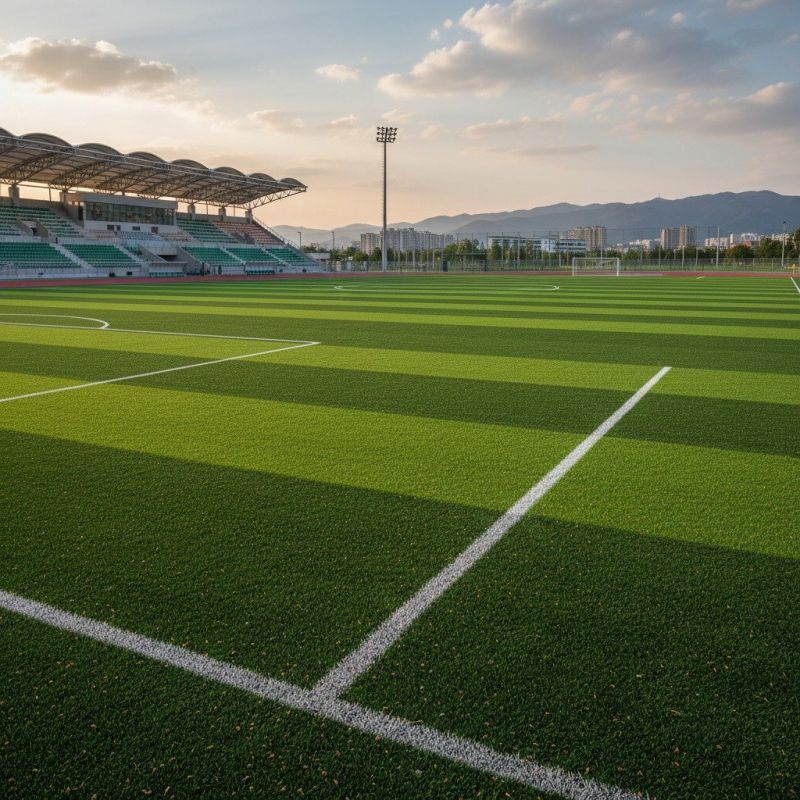
When comparing service providers for artificial turf repair related to common artificial turf problems in residential yards, it is important to consider their experience with similar projects. Homeowners should look for local contractors who have a proven track record of handling repairs and maintenance specific to artificial turf, as this indicates familiarity with common issues such as uneven surfaces, drainage problems, or turf wear. An experienced provider can better assess the unique conditions of a yard and recommend effective solutions, reducing the risk of recurring issues and ensuring the repair work is performed efficiently and effectively.
Clear written expectations are essential when evaluating artificial turf repair services. Homeowners should seek providers who offer detailed estimates and scope of work, outlining what repairs will be performed, materials used, and any necessary follow-up steps. This transparency helps prevent misunderstandings and ensures that both parties have a shared understanding of the project’s scope. Well-defined expectations also make it easier to compare different service providers based on the quality of their proposals and the thoroughness of their communication.
Reputable references and good communication are key indicators of a reliable local contractor. Homeowners are encouraged to ask for references or reviews from previous clients who had similar artificial turf problems addressed. Listening to feedback about the contractor’s professionalism, responsiveness, and quality of work can provide valuable insight into their reliability. Additionally, service providers who communicate clearly and promptly about project details, timelines, and potential concerns can help ensure a smoother repair process. Choosing a contractor with strong references and open communication can lead to a more satisfactory experience when addressing common artificial turf problems in residential yards.
Property owners often search for common artificial turf problems in residential yards when they are planning practical projects around their homes and businesses. Local pros provide Artificial Turf Repair services for everyday jobs and straightforward project options.
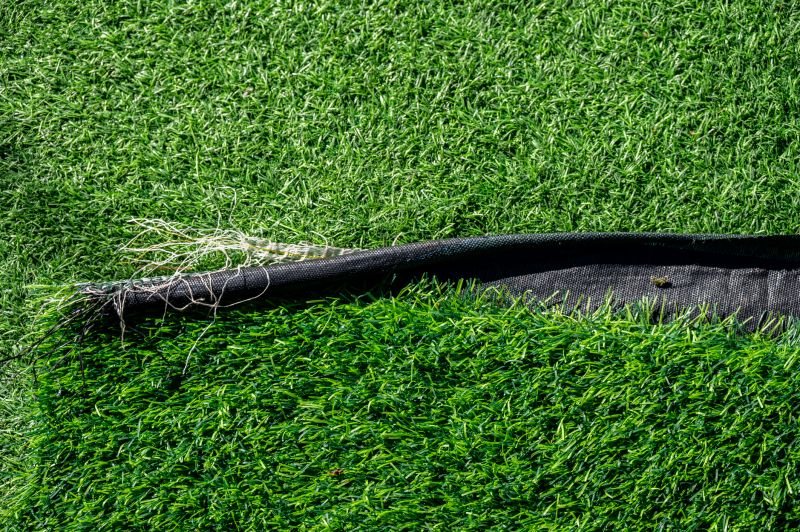
Many property owners in residential neighborhoods encounter common artificial turf problems that can affect the appearance and functionality of their yards. Issues such as uneven surfaces, loose edges, or areas where the turf has shifted are frequent concerns that can arise over time. These problems often occur due to improper installation, heavy foot traffic, or natural settling of the ground, making it necessary to seek professional assistance to restore the yard’s original look and safety.
Other typical issues include turf that shows signs of wear, fading, or small tears, which can detract from the yard’s aesthetic appeal. Additionally, drainage problems or weed intrusion through seams are common frustrations for homeowners. When such issues arise, local contractors experienced in artificial turf repair can evaluate the situation, identify the root causes, and perform the necessary fixes to improve the yard’s condition. Connecting with these service providers can help property owners maintain a smooth, attractive outdoor space.
What are common signs of artificial turf damage in residential yards? Signs include uneven surfaces, visible seams or tears, and areas where the turf appears worn or faded, indicating the need for repair services from local contractors.
How does improper installation affect artificial turf in residential settings? Poor installation can lead to issues like drainage problems, loose or wrinkled sections, and early wear, which can be addressed by experienced local service providers.
What causes artificial turf to develop bald spots or bare patches? These problems often result from heavy foot traffic, pet activity, or inadequate infill, and local pros can help restore the turf's appearance and functionality.
Can artificial turf become stained or discolored over time? Yes, staining from spills, organic debris, or UV exposure can cause discoloration, and repair specialists can help clean and restore the turf's color.
What are common issues related to pet activity on residential artificial turf? Problems include odor buildup, pet waste stains, and damaged areas, which local contractors can repair and help prevent with proper maintenance solutions.
Identifying uneven surfaces - property owners can spot areas where artificial turf has shifted or become uneven, prompting repairs by local contractors to restore a smooth appearance.
Addressing pet damage - pet owners experiencing digging or staining issues can seek local pros for effective repairs that restore turf integrity and appearance.
Fixing drainage problems - homeowners noticing pooling or water retention can have local service providers improve drainage systems to prevent future turf issues.
Repairing worn or faded areas - residents can work with local contractors to replace or rejuvenate sections of turf showing signs of wear or color fading.
If you are thinking about common artificial turf problems in residential yards for a property, this guide is meant to help you understand this topic, the typical project types, and how different options might fit your plans.
When you are ready, you can use the quote form on this page to share a few details about your project. From there, local pros can review the basics and follow up with options that match what you have in mind.